
How to structure a presentation (particularly research/technical ones)
Presentations for research/technical stuff need a different approach to ‘sales’ or ‘self development’ presentations…
When you can make presentations without your audience die-ing of boredom but you want to make better presentations to be different from the rest and to have more impact.
Slightly trickier tools that assume you’re okay with the basics like facing the audience and not reading your slides! ;)
This blog a resource for presenters — not pro-speakers, but real people who need to make presentations as part of their 'day job'.
I have to be honest, this blog only gets updated every month or so. If you want a bit more, sign up for the (almost) weekly newsletter instead called "TalkTactics".
Presentations for research/technical stuff need a different approach to ‘sales’ or ‘self development’ presentations…
Explaining very complicated things quickly in a presentation is hard. Here’s a handy tool!
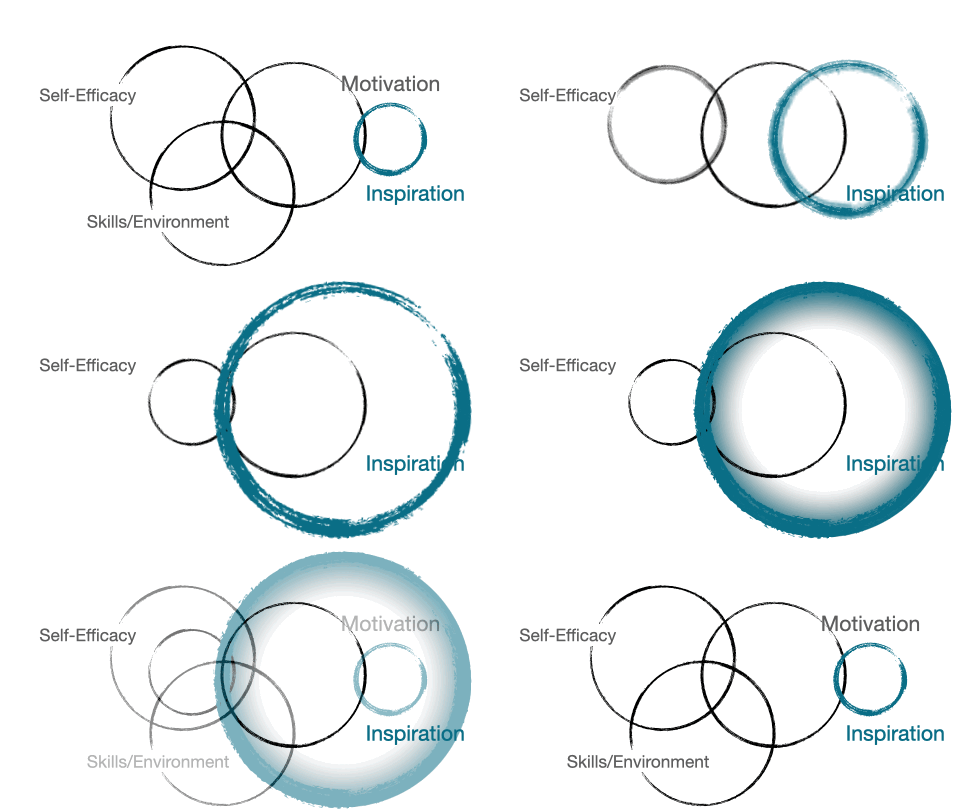
You know the ones. The rags-to-riches story. The against-all-the-odds story. The bad-to-worse-to-victory story. We’re told to use them because they’re inspirational. Whoops, that turns out to be a mistake. Why? Because… Because pretty much be definition such a story deals with exceptional people over coming staggering odds. And, again by definition that means these people …

We’re often told by experts (for which read “well-meaning friends who’ve read it somewhere online”) that we should start our presentations with a big bang to grab the audience’s attention. A powerful story is often cited as one of the best ways of doing this. Alternatives are a challenging, shocking fact or a provocative question. …

How “big” should the stories be in our presentations? How “epic” and inspirational? The answer isn’t quite as spectacular as it might sound…

I’m constantly asked how to “make my presentations interactive” because people “need to be more engaging”. Let’s set aside the fact that you don’t need to be interactive to be engaging for a moment, and look at how to be interactive – specifically being interactive by using questions – either digitally or physically. Something to think about …

I hate practicing my presentations. So does everyone else. Here I am arguing withe Sid The StoryParrot about putting it off until my wife’s gone out. Why? Because it’s embarrassing to get things wrong in front of people. In my defence, part of that is because the last time I did that for a Big …
I recently spoke at the course creators engergize conference, hosted by Zenler giving tips on how to make your videos and presentations better for online courses. Why? Let’s face it, most of them are rubbish! 😉 In my presentation I made the observation that to make your videos really pop you should embed yourself as …
Storytelling is a big part of presenting… and frankly of our whole culture. When we go to the pub we don’t sit around in silence, and a lot of that time is filled with sharing stories. Gossip is a story after all. Back-in-the-old days is nothing but stories. When-I-was young… you get the idea. From …
The StoryMaking System is the result of reading (in mind-numbing detail) over 400 peer-reviewed research papers, dozens of books, thousands of ours of observational research and blood sweat and tears!
It's the framework for designing a presentation which gives you the fastest way to getting something is (almost) guaranteed to work. It gives your audience what they need - and only what they need - to be impacted.
The key elements are:
This will close in 20 seconds